

2026
March 31, 2026
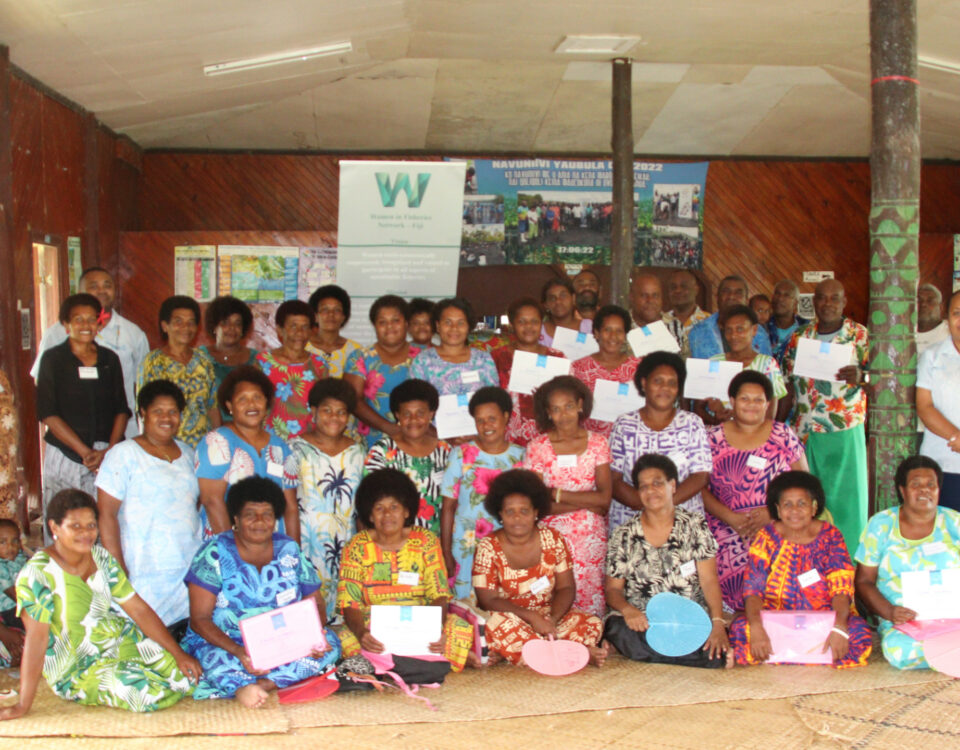
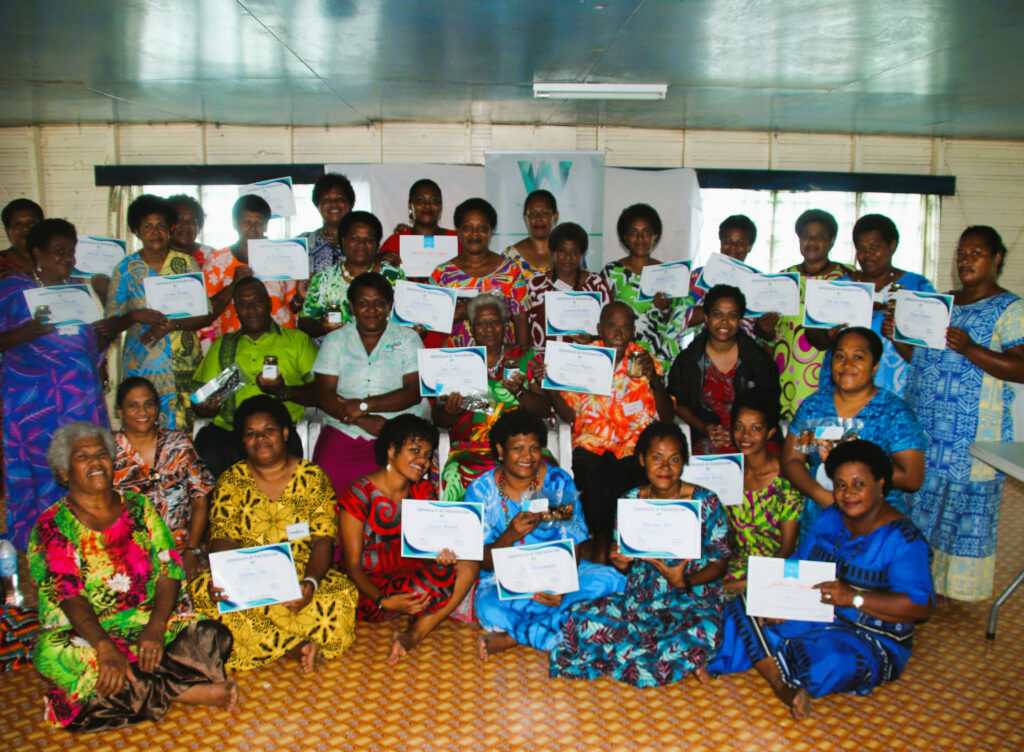
This training is part of a series of trainings conducted by WiFN-Fiji with its members as part of a wider programme of leveraging the economic prowess of fisher women to strengthen the resilience of coastal communities. Seafood product development serves as a critical catalyst for the sustainable blue economy by transforming raw marine resources into high-value, shelf-stable goods, thereby reducing post-harvest losses and alleviating pressure on overexploited nearshore stocks. In the Pacific context, women are responsible for approximately 70% to 80% of the catch in nearshore fisheries, yet their contributions have historically been undervalued in formal economic statistics. By engaging in value-added processing such as the production of smoked fish, women transition from subsistence harvesters to active entrepreneurs in the blue economy.
March 31, 2026
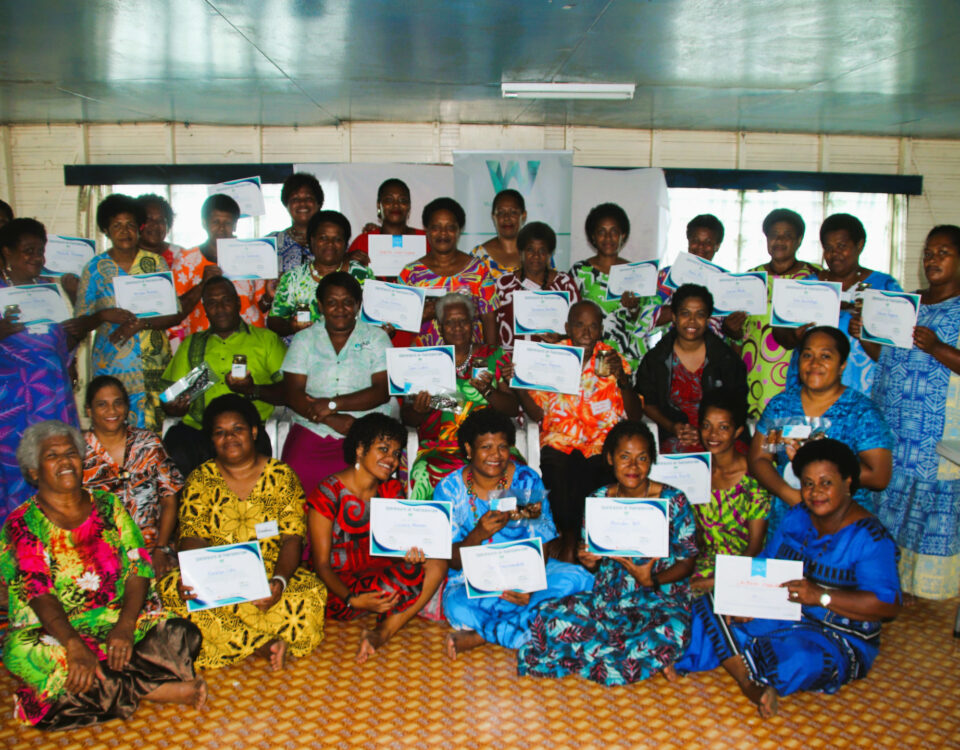
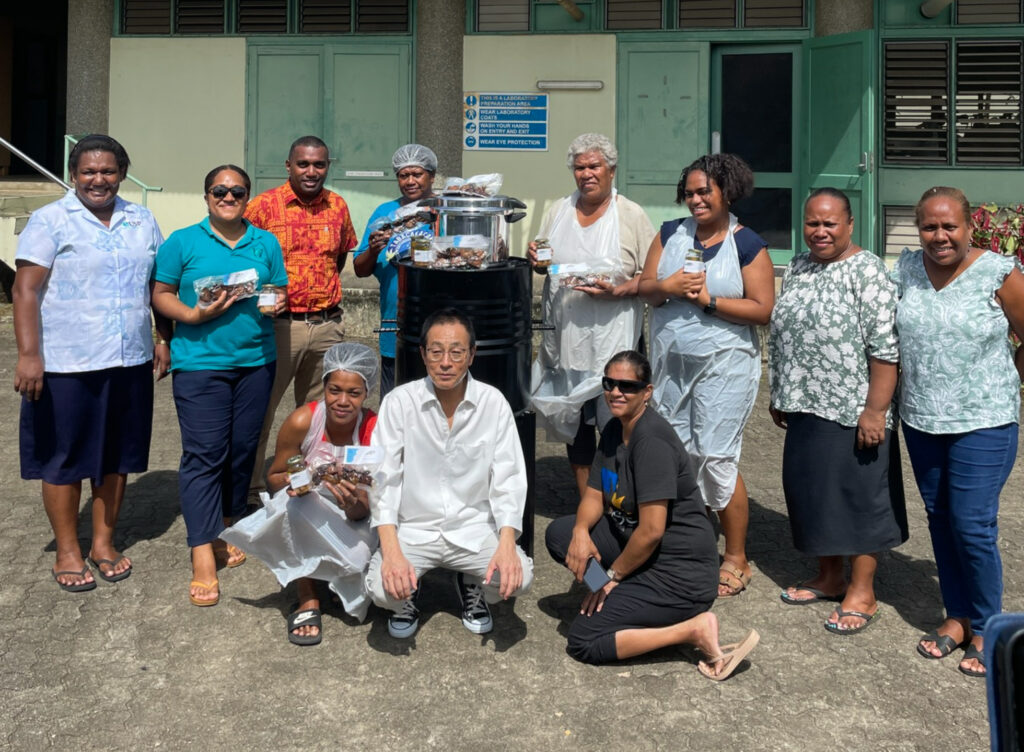
The training was aimed at strengthening participants practical knowledge in business planning to strengthen community-led enterprises and sustainable livelihoods, strengthening seafood safety practices, enhancing cooperative models, and building resilient livelihoods for Fiji’s coastal communities. Seafood product development serves as a critical catalyst for the sustainable blue economy by transforming raw marine resources into high-value, shelf-stable goods, thereby reducing post-harvest losses and alleviating pressure on overexploited nearshore stocks. In the Pacific context, women are responsible for approximately 70% to 80% of the catch in nearshore fisheries, yet their contributions have historically been undervalued in formal economic statistics. By engaging in value-added processing such as the production of smoked fish, and bottled kaikoso (in the case of Viwa) - women transition from subsistence harvesters to active entrepreneurs in the blue economy.
March 31, 2026
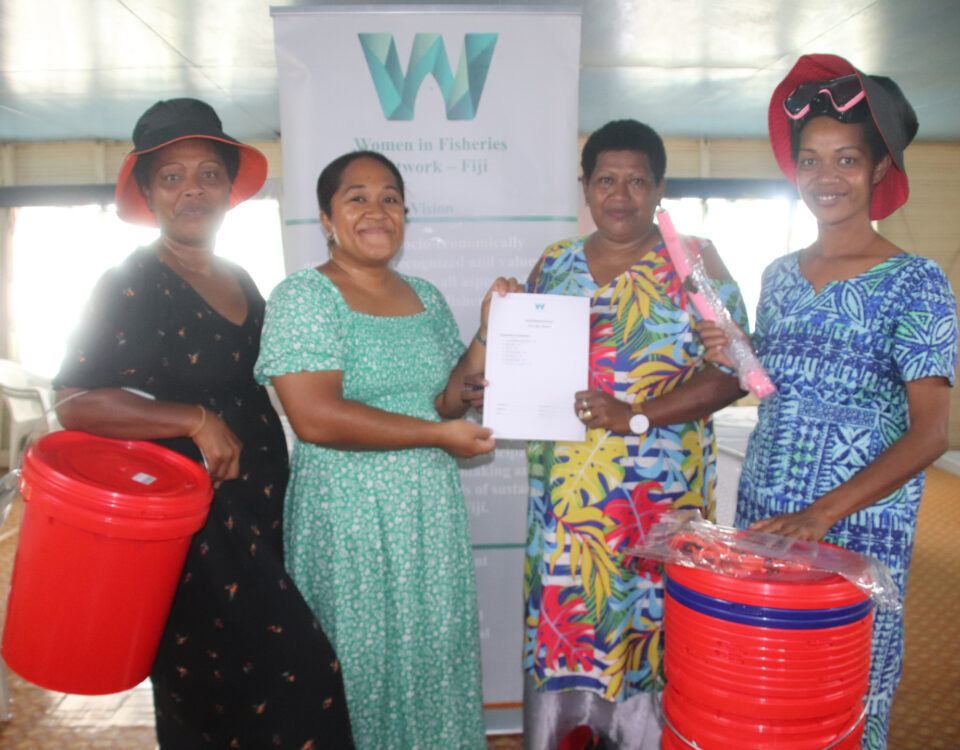
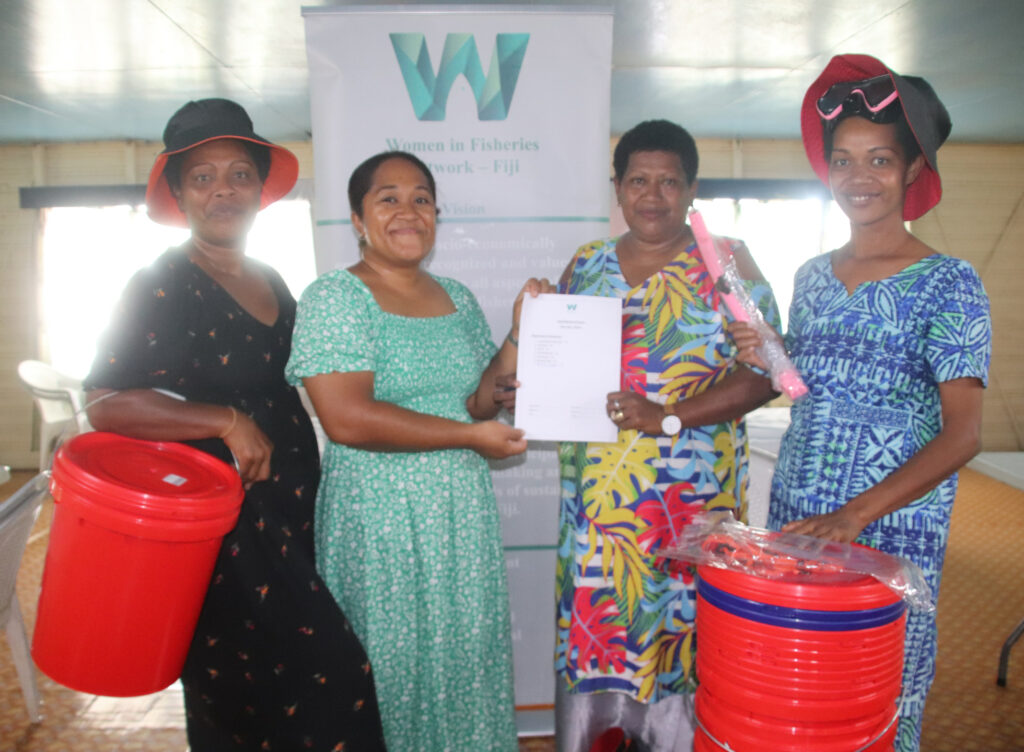
Through the generous funding of the Bamford Foundation, essential fishing equipment and materials were delivered to the Viwa Women’s Group designed to strengthen the women’s daily fishing activities, improve safety, and enhance the quality of their seafood products. This intervention builds on the skills gained during last year’s training, ensuring the women are equipped both in knowledge and in practice.
March 8, 2026
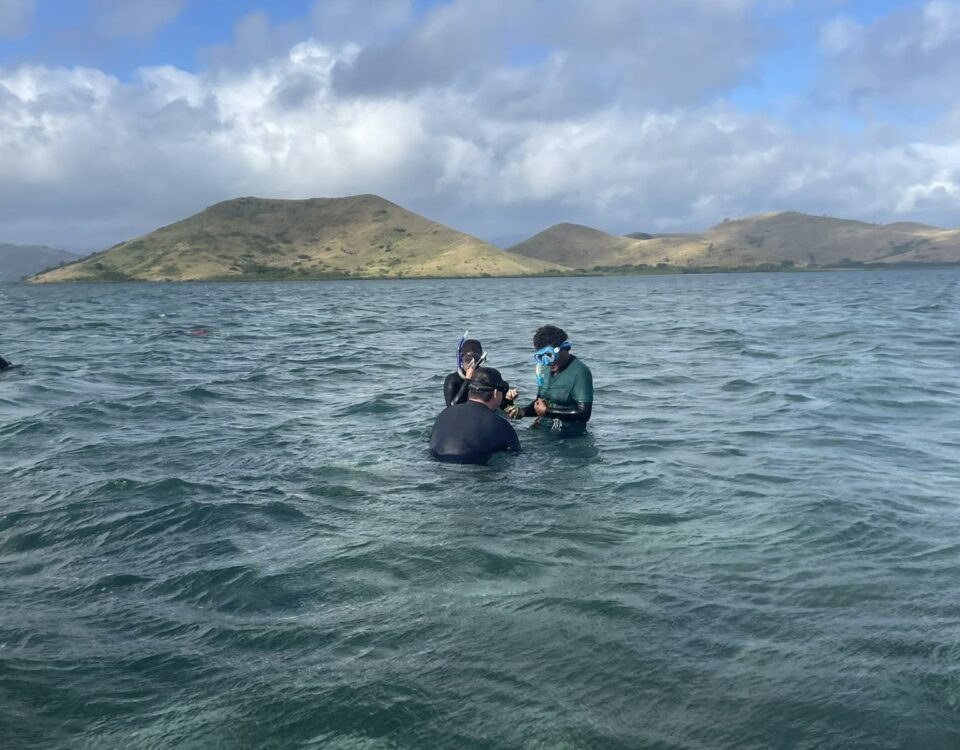
On this International Women's Day, we celebrate the remarkable women fishers of Fiji who embody strength, resilience, and a deep connection to their oceanic heritage. These incredible women not only provide for their families but also play a crucial role in sustaining their communities and preserving traditional fishing practices.
February 9, 2026
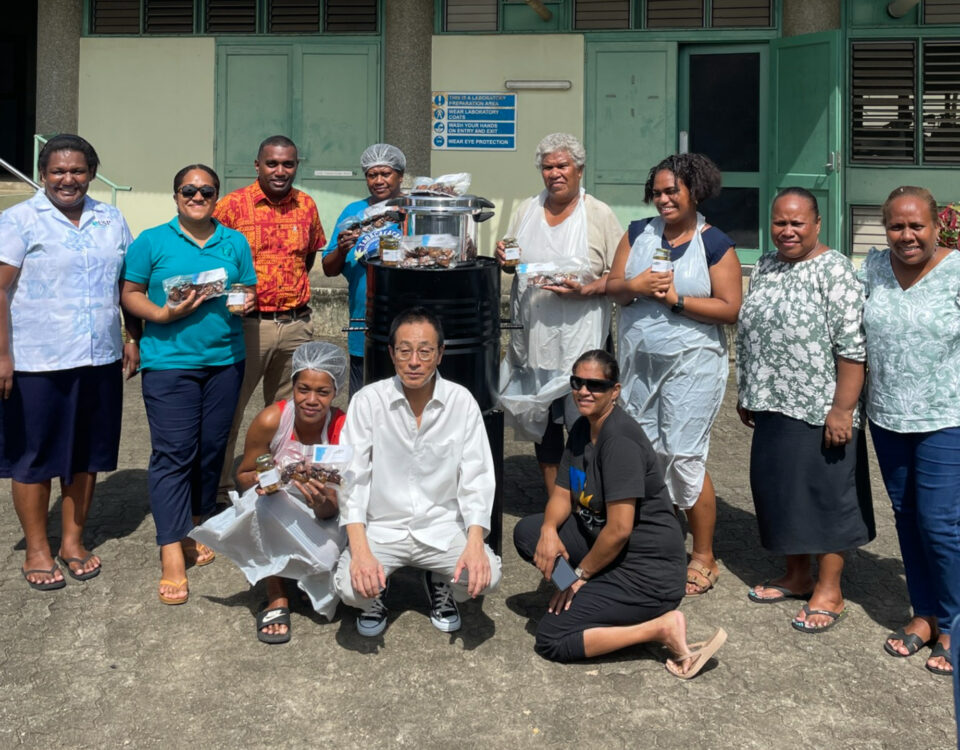
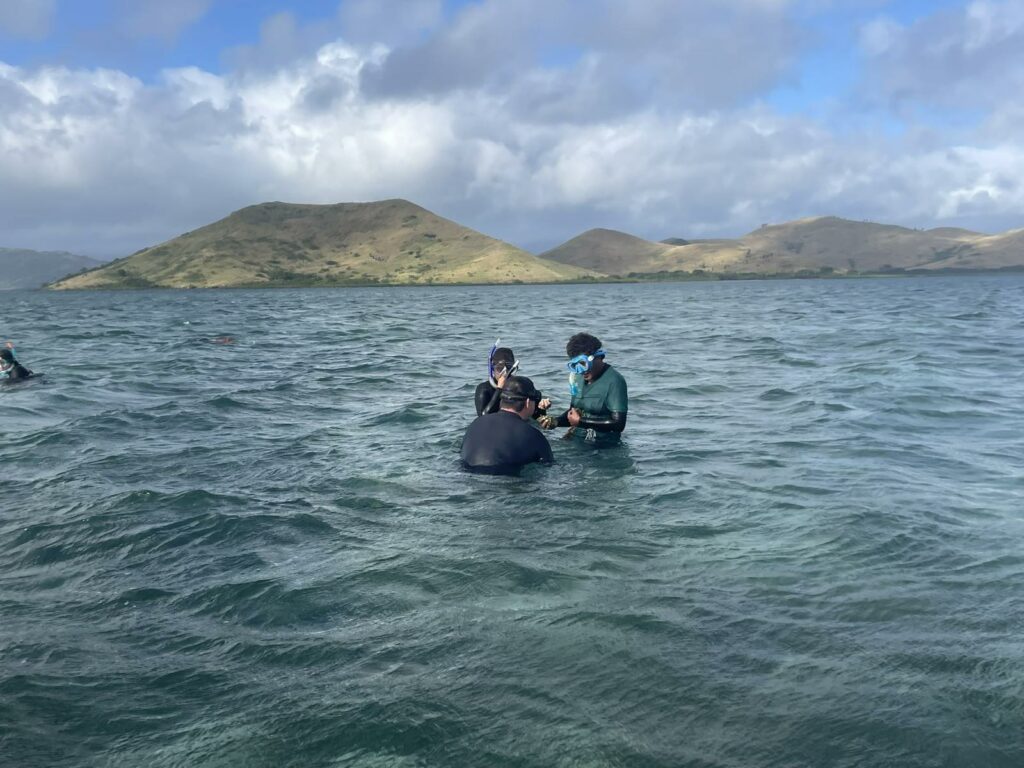
The training was facilitated by Ms. Shirleen Bala and Ms. Sera Vaniqi, with valuable support from Ms. Madeline Kili Solo and Mr. Luke Jino of the Solomon Islands National University. This initiative was fully funded by the Pacific Islands Forum Fisheries Agency, FFA.
January 20, 2026
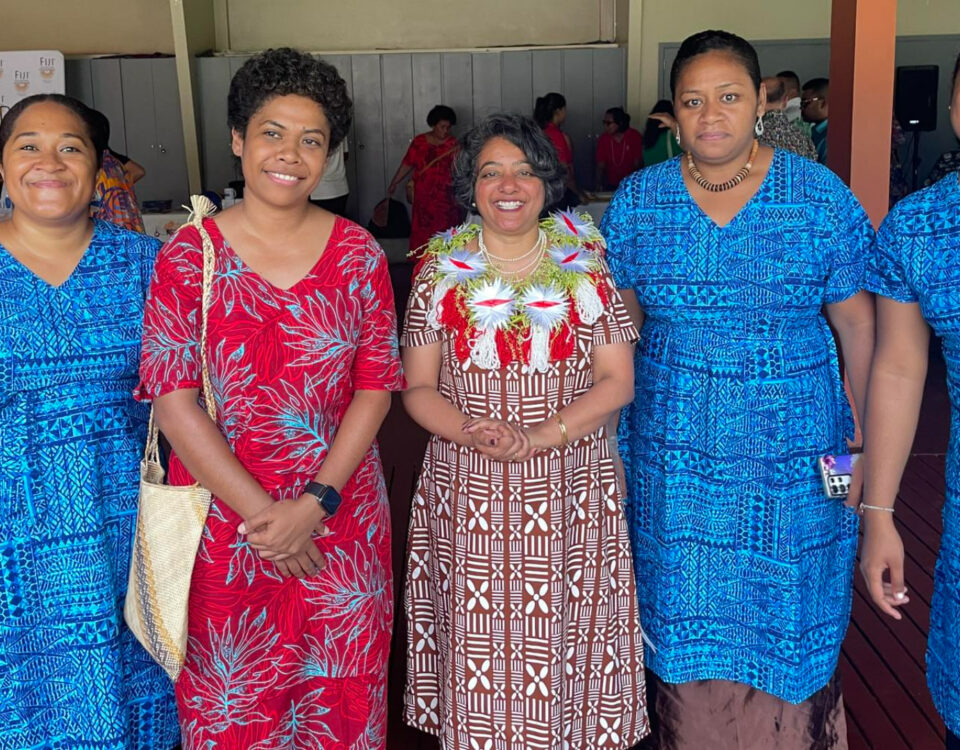
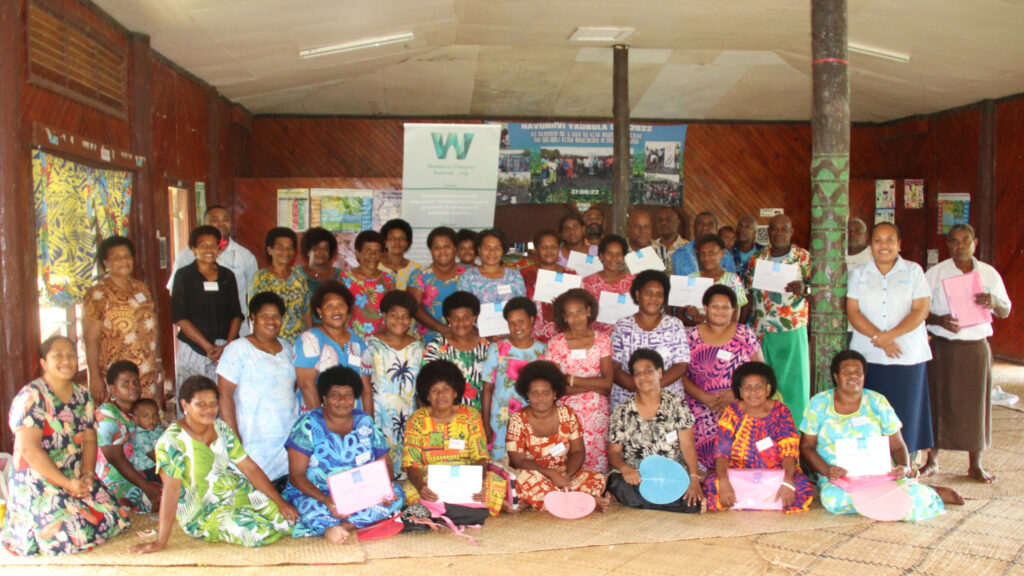
“The network aims to enhance its impact through the Women Power Program, addressing the disproportionate care work burden on Fijian women, who spend an average of nine hours daily on care work compared to men’s two to three hours. This hinders women’s economic participation. The project, supported by Global Affairs Canada and Oxfam in the Pacific, seeks to alleviate this burden, contributing to women’s empowerment and economic inclusion.”